 Montevideo City Guide
Is Montevideo Safe?
Is Montevideo safe? Yes for a careful visitor, with street crime that concentrates in known places and known hours. This page puts the advisories from the United States, Canada and the United Kingdom side by side, then maps the streets where petty crime, muggings and robbery are more common, the hours when the old town is best left to daylight, and the simple habits that cover most of the risk. You also get beach flags and lifeguard seasons, notes for women travelling alone, and the emergency numbers. When you have the safety picture, start planning with our things to do in Montevideo.
Quick answer The verdict, the advisories, where and when to take care
The United States rates Uruguay Level 2, Exercise Increased Caution, due to crime. Canada tells travellers to take normal security precautions in Uruguay as a whole and a high degree of caution in Montevideo, because Montevideo is the department where crime is most common. The risk visitors meet most is street crime. The rule that covers it: see the old town on weekday daylight, take a taxi or app car after dark, and use cash machines inside banks or malls.
Key takeaways
- Plan Ciudad Vieja for weekday daylight, ideally on the Ciudad Vieja walking tour, which starts at Plaza Independencia in daylight hours.
- Arriving by ship? 64% of cruise passengers rated their Montevideo day very satisfactory, and safety was one of the reasons they gave, with friendliness and food. See our Montevideo cruise port guide.
- Use ATMs inside banks or malls and carry only what you need for the day. Our Uruguay currency guide covers cash and cards.
- After dark, move by taxi or app car rather than on foot. Our Montevideo nightlife guide lists the barrios worth going out in.
Uruguay Travel Advisory: Three Governments Compared
The three government advisories read side by side, from the US State Department, Canada's travel.gc.ca and the UK's GOV.UK pages. Each grades Uruguay for crime, and two single out Montevideo.
| Government | Rating | Where it points | Key advice |
|---|---|---|---|
| United States | Level 2, Exercise Increased Caution | Montevideo, Canelones, Maldonado, Rivera | Do not resist, ATMs in daylight |
| Canada | Normal precautions, Montevideo high caution | 18 de Julio, Ciudad Vieja, Plaza Independencia, the port | Indoor ATMs, taxis and apps |
| United Kingdom | Street crime warning, no terrorism history | Downtown and the port, at night and weekends | Avoid walking alone there after dark |
Is Uruguay Safe to Travel: What Three Governments Say
Three governments publish advice on Uruguay. Read them side by side, because they grade the same country slightly differently.
United States: Level 2
The US State Department rates Uruguay Level 2, Exercise Increased Caution, due to crime. The State Department notes that crime is most common in the Montevideo, Canelones, Maldonado and Rivera departments, and Montevideo is the one most visitors stay in. Its practical advice: criminals commonly travel in pairs on motorcycles, do not resist a robbery, be vigilant at cash machines outside daylight, leave nothing valuable in parked cars, and call 911 in an emergency.
The US Embassy in Montevideo is at Lauro Muller 1776, telephone +598 1770-2000.
Canada and the United Kingdom
Canada rates Uruguay overall at 'take normal security precautions', while Montevideo gets 'exercise a high degree of caution' because of crime. The UK Foreign Office describes street crime in Montevideo as bag-snatching, pickpocketing, mugging and robbery, sometimes armed, and says crime is lower outside Montevideo. It adds that Uruguay has no recent history of terrorism.
Demonstrations occur regularly in Montevideo and are generally peaceful. The pattern across all three governments is the same: the named risk is street crime, concentrated in the capital, and worst after dark in specific central areas.
Source: US State Department, Travel.gc.ca, GOV.UK.
Where and When to Take Care in Montevideo
The three advisories name the same streets and the same hours, which makes the advice easy to follow.
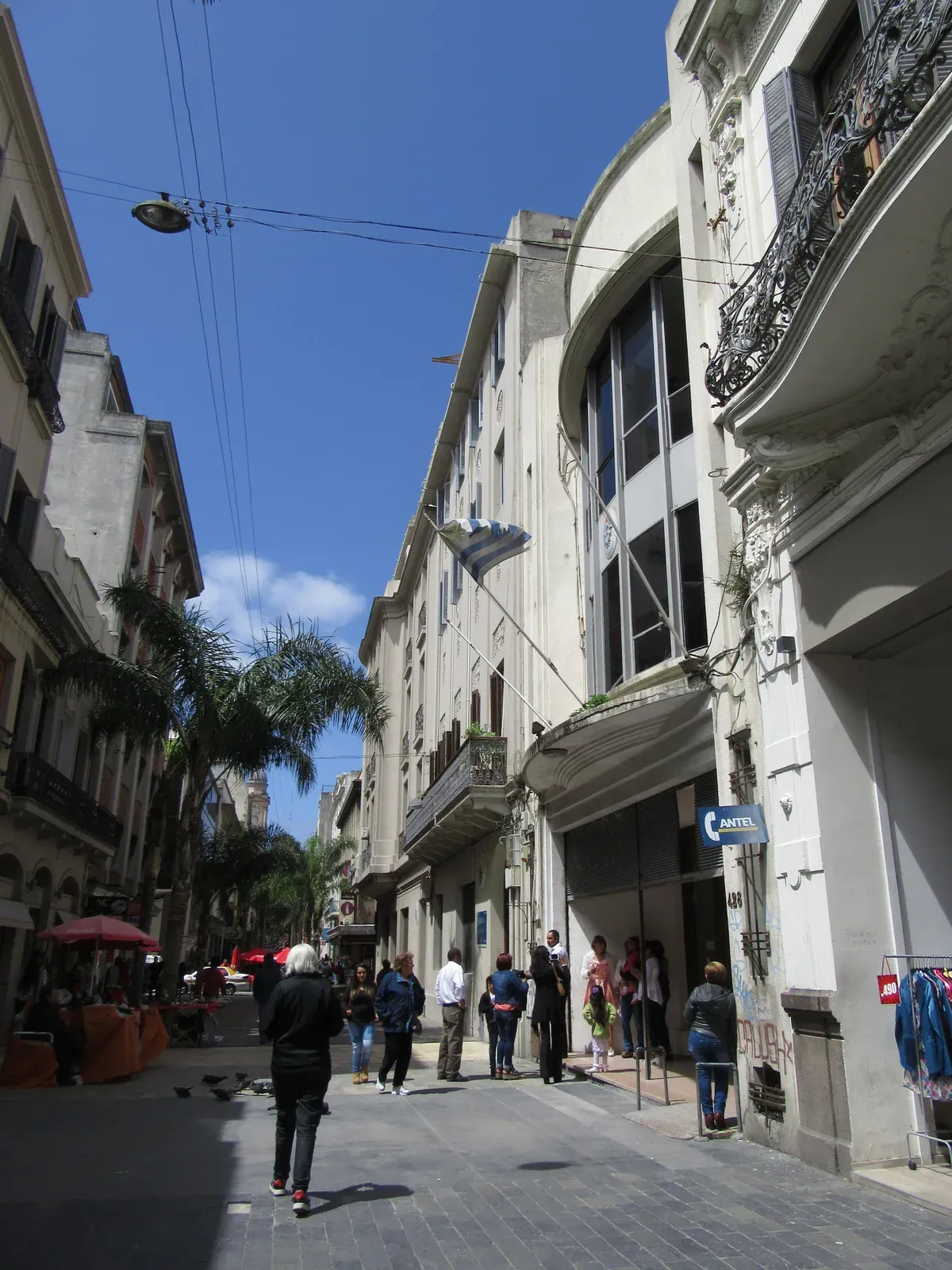
Peatonal Sarandí in Ciudad Vieja on a weekday morning, the hours the advisories favour. Photo: Felipe Restrepo Acosta, CC BY-SA 4.0, via Wikimedia Commons
Ciudad Vieja, the Port and 18 de Julio
Canada says petty crime, muggings and armed robbery are more common on 18 de Julio, in Ciudad Vieja, at Plaza Independencia and around the port. The UK adds its own rule: avoid walking downtown or in the port area alone, especially at night and at weekends. That is the awkward part for visitors, because this cluster is exactly where ferry and cruise passengers land and where the Ciudad Vieja walking tour, Plaza Independencia and the old city sit.
The fix is timing, not avoidance. Do Ciudad Vieja on a weekday in daylight, when the tourist police patrol in summer, and move through it after dark by taxi or app car.
Neighbourhoods Canada Flags
Canada lists twelve neighbourhoods to approach with high caution: 40 Semanas, Barrio Borro, Bella Italia, Casabó, Casavalle, Hipódromo, La Teja, Malvín Norte, Marconi, Tres Ombúes, Villa del Cerro and Villa Española. Plan routes that do not pass through them. The barrios this guide covers for a stay are different ones, such as Pocitos and Punta Carretas, both on the waterfront east of the centre.
The Montevideo attractions worth your time sit in the old town and along the Rambla.
Summer and Holidays
Canada notes that in summer criminals move to tourist destinations, so the beach barrios need the same street sense as the centre in the high season. Canada also warns that road accidents increase on main highways in summer, during Carnaval and during Easter week, which matters if you drive out of the city at those times. If you travel in the carnival in Uruguay season, enjoy the shows but keep bags closed and phones away in dense crowds, the same rule as any festival city.
Source: Travel.gc.ca, GOV.UK.
The Crimes Visitors Meet and How to Avoid Them
Almost everything the advisories describe is theft by stealth or by quick snatch, and each type has a simple counter.
Motorcycle Pairs and Bag Snatching
The US and Canada both describe thieves working in pairs on motorcycles, striking at traffic lights, parking lots, cash machines and hotels. The UK lists bag-snatching, pickpocketing, mugging and robbery, sometimes armed. The countermeasures are behavioural.
Keep your phone off the kerb and out of sight while you wait to cross, since a rider can take it at a traffic light and be gone. Carry your bag on the side away from the road with the strap across your body. The State Department adds one rule that outranks all the others: do not resist a robbery.
Hand over the phone or bag. Nothing in a pocket is worth an injury.
ATMs and Cash
Both Canada and the UK advise the same thing about cash machines: use the ones inside banks, businesses or shopping centres. The US adds that you should be vigilant at ATMs outside daylight, so make withdrawals during the day and count the money out of sight. The motorcycle pairs Canada describes often wait near street machines and hotels, so an indoor machine is the safer choice.
Carry a day's cash and leave the rest behind the hotel safe. Our Uruguay currency guide covers when you need cash at all.
Cars and Break-Ins
The UK says criminals regularly break into parked cars, and thieves also smash windows at traffic lights. The US gives the matching rule: do not leave valuables in parked cars. Practically, that means an empty cabin.
Take bags, cameras and luggage with you or lock them in the boot before you drive, not at the spot where you park, because a person watching a boot close knows what is inside. If you are considering renting a car, plan for street parking by choosing guarded lots where you can, and keep nothing visible on seats. The same rule covers the window-smashing habit at lights: keep windows up in slow traffic and bags off the seat beside you.
Source: US State Department, Travel.gc.ca, GOV.UK.
Getting Around Safely
Montevideo's public transport and ride services are unremarkable in the good sense, and both advisories say so.
Taxis, Apps and Buses
Canada reports that ride-hailing services are monitored to meet standards equivalent to taxis, and that taxis carry a glass partition between driver and passengers, so both options are settled ways to move after dark. Canada also calls bus travel safe and reliable. The UK notes that the Tres Cruces bus terminal has visible security patrols, which helps if you arrive late on a long-distance bus.
Keep a normal eye on your bag in any crowd, as on any bus system. Landing at Carrasco late at night? Our Carrasco International Airport guide covers the airport, and the private transfer gives you a name-sign pickup at the airport, port or bus terminal for groups of 4 to 12.
A Guided Way Through the Old Town
A guide solves most of the safety question in the old town, because you walk it in a small group at daylight hours with someone who knows which streets to use. The Ciudad Vieja walking tour costs $20 per person, runs 2.5 hours with a maximum of 10 guests and starts at Plaza Independencia. The private walk costs $129 per group and meets by the Mercado del Puerto, one block from the port terminal, so it suits ferry and cruise arrivals. The half-day city tour with hotel pickup costs $25 and covers the wider city, and the hop-on hop-off pass at $25 lets you see the city from a double-decker without walking unfamiliar blocks. Compare all of them in our Montevideo tours guide.
Source: Travel.gc.ca, GOV.UK.
Guided Ways to See the Old Town
A guide and a group turn the area the advisories name into a straightforward morning. The Ciudad Vieja walking tour costs $20, the private walk $129 per group, the half-day city tour and the hop-on hop-off pass $25 each, and the private transfer $90.28 per group for late arrivals. More on Montevideo tours. Figures current {checked}.
 from $20
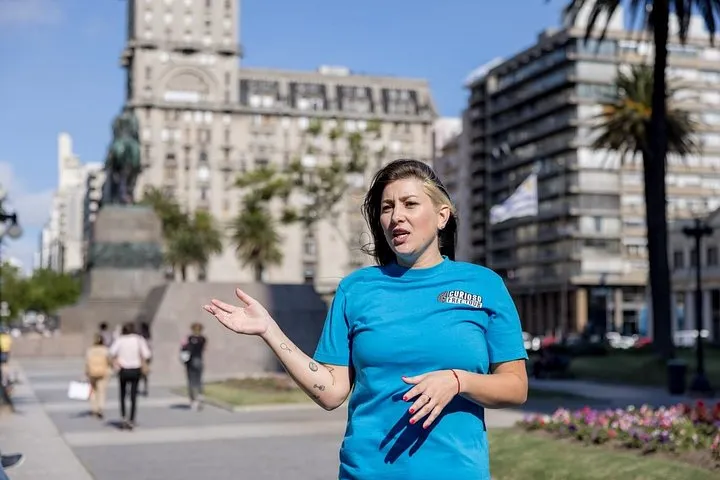
Historical and Cultural Tour of Montevideo Discover Old Town
A 2.5 hour guided walking tour of Montevideo's Old City with entry to three sights included for $20.
Check Availability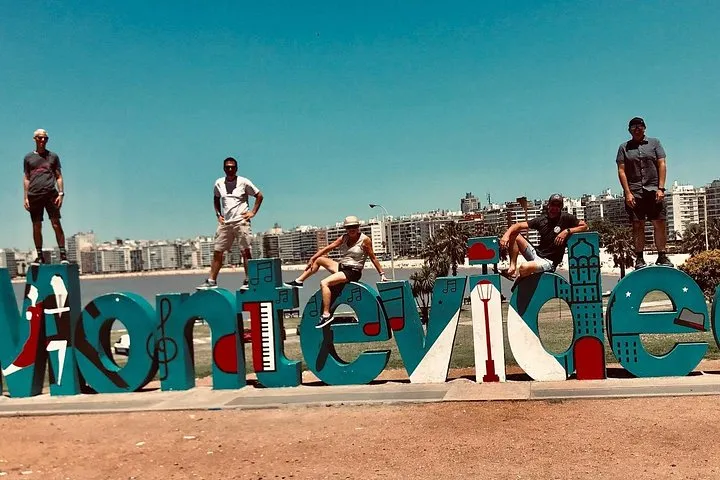 from $129
Private Walking Tour in Montevideo
A private certified-guide walking tour of the old city that starts within walking distance of the cruise port, with an optional candombe drum class.
Check Availability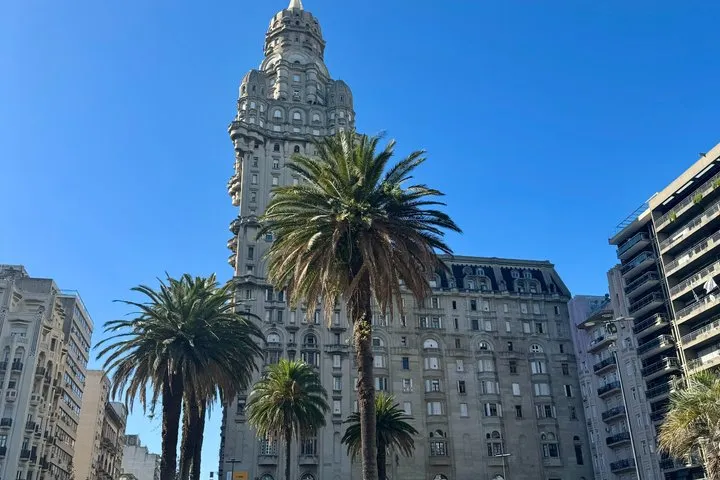 from $25
Half-day Regular City Tour at Montevideo
A short, affordable group city tour of Montevideo with pickup included and cruise passengers welcome, plus a private upgrade option.
Check Availability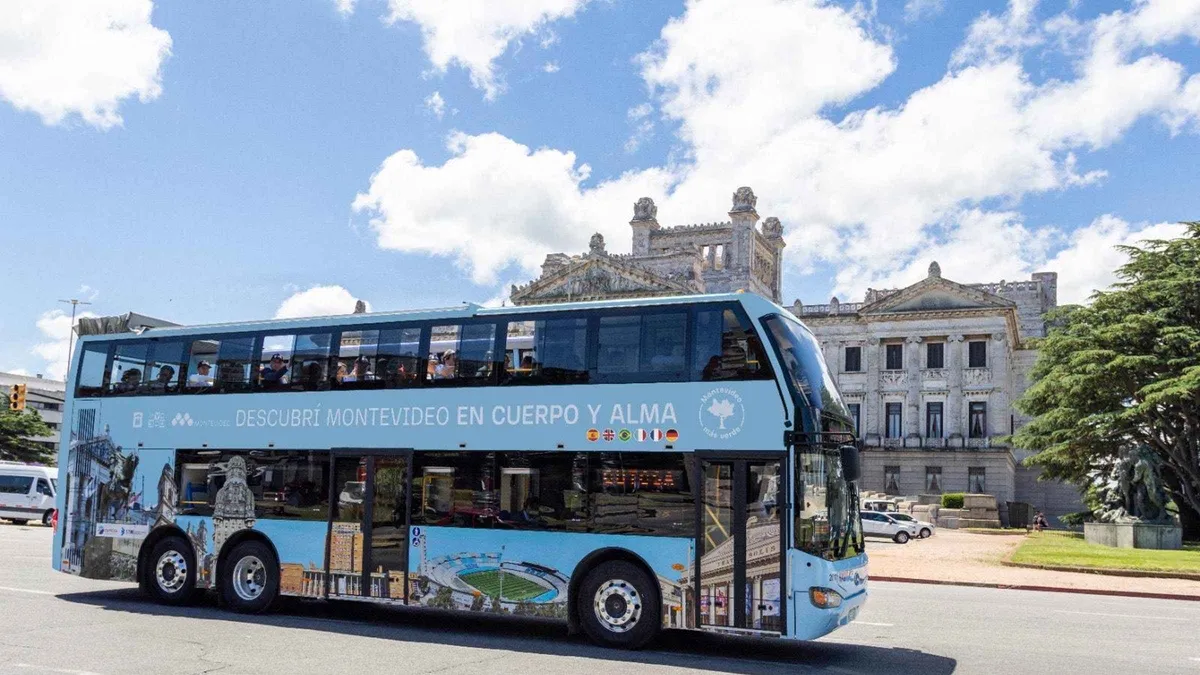 from $25
Montevideo: Sightseeing Hop-On Hop-Off Bus Tour
The cheapest city overview in Montevideo, a two-circuit 24-hour hop-on hop-off pass with audio guide for $25.
Check Availability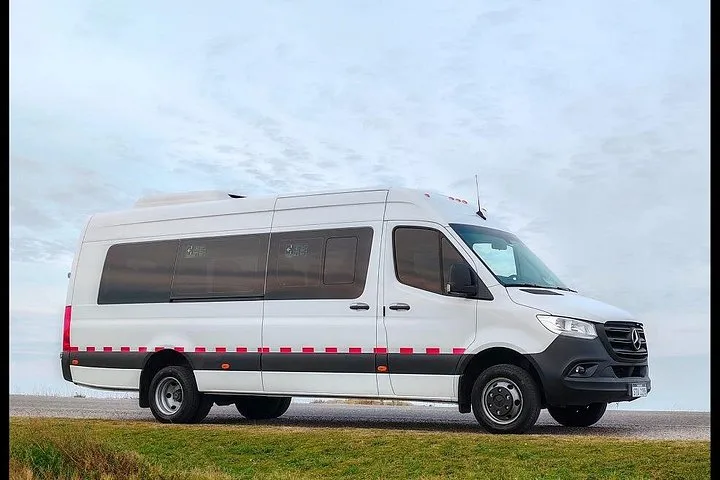 from $90.28
Transfer From or To the Airport (4 to 12 paxs)
A private group transfer for 4 to 12 people between Montevideo's airport, port or bus terminal and the city, with name-sign meeting and hotel pickup.
Check AvailabilityPrices, ratings and details are the platform's own. Dollar figures are the listed prices. The platform bills in your account's currency.
Beach and Water Safety
Montevideo's beach risk is the water, not the street, and the flags tell you what you need to know.
Canada warns that coastal waters can be dangerous, riptides occur, and rescue services may not meet international standards, so treat the sea with more respect than the calm look of the Río de la Plata suggests. Swim where lifeguards are on duty and read the flags. Green means good conditions, yellow means caution, red means danger, red with a green cross marks unsanitary water, and black means thunderstorms.
Lifeguards usually work December to March, and the last Montevideo season ran from mid-November to the end of March on 19 beaches, from 8:00-20:00 daily, so a shoulder-season swim is unguarded. Check our Montevideo beaches guide for which beaches are guarded, and our Montevideo weather guide for when the water is warm enough to bother.
Source: Travel.gc.ca, GOV.UK, Intendencia de Montevideo.
Is Uruguay Safe for Women
Only Canada's advice addresses women travelling alone, and its wording is short.
Canada advises that women travelling alone should be cautious, particularly in the critical neighbourhoods listed above. A practical routine: keep to busy, lit streets after dark, take a taxi or app car across neighbourhoods rather than walking them alone, and hold your bag closed in markets and bus stops. Choosing a base helps too, so pick a hotel on a main avenue or the waterfront rather than a quiet side street.
Our Montevideo hotels guide compares the central and waterfront barrios.
Source: Travel.gc.ca.
Emergency Numbers and Help
Two pieces of information cover almost every bad moment, and both fit on a phone note.
Call 911 for police and general emergencies. The same number reaches the fire brigade, so there is no separate fire number to remember. For US citizens, the US Embassy in Montevideo is at Lauro Muller 1776, telephone +598 1770-2000.
For face-to-face help with practical problems, the city's tourist information office in Ciudad Vieja is at Piedras 257, corner of Yacaré, open daily 9:00-17:00. Staff there can tell you where to go next.
Source: Travel.gc.ca, US State Department, Descubrí Montevideo.
Plan a Safe Stay
Montevideo cruise port
A port day planned around daylight and the shore excursions.
Montevideo Safety Questions
Is it safe for Americans to go to Uruguay?
Yes, with the usual city caution. The US State Department rates Uruguay Level 2, Exercise Increased Caution, due to crime. Its specific advice for Uruguay is about street crime: be vigilant at cash machines outside daylight, leave valuables out of parked cars, do not resist a robbery, and call 911.
How safe is Montevideo for tourists?
Canada rates the country at normal security precautions and Montevideo at a high degree of caution because of crime, and the US names Montevideo as one of the departments where crime is most common. The risk to visitors is petty crime, mugging and robbery concentrated around 18 de Julio, Ciudad Vieja, Plaza Independencia and the port, especially after dark and at weekends. Do the old town on weekday daylight, ride after dark, and use indoor cash machines. Cruise visitors rated the city highly, with 64% very satisfied.
Is there cartel activity in Uruguay?
The US, Canadian and UK advisories give crime in general as the reason for caution, and none of them names cartels as a risk to travellers. The UK notes Uruguay has no recent history of terrorism. For a visitor the named risk is street crime in central areas, mostly at night.
What is the safest city in Uruguay?
The advisories do not rank cities. They give the pattern instead: the UK says crime is lower outside Montevideo, and the US names the Montevideo, Canelones, Maldonado and Rivera departments as where crime is most common. That tells you the capital carries the highest concentration, not that any other specific city is the safest. Coastal towns such as those in Maldonado get summer attention too, because Canada notes criminals move to tourist destinations in the season.
Is Uruguay safe for women?
Canada advises that women travelling alone should be cautious, particularly in the twelve critical neighbourhoods it names. Keep the routine simple: busy and lit streets after dark, a taxi or app car across neighbourhoods at night, and a closed bag in crowds.
Is the old town safe at night?
Treat it as a daylight destination. Canada says petty crime, muggings and armed robbery are more common in Ciudad Vieja, and the UK advises avoiding walking downtown or in the port area alone, especially at night and on weekends. Visit on a weekday in daylight, when tourist police patrol in summer, then move to dinner or your hotel by taxi or app car after dark. Nightlife in the old town is best reached by car even if your hotel is close.
What is the emergency number in Montevideo?
911. Canada lists it as the police number in the national emergency system, and the UK says the same number reaches the fire brigade. Save the US Embassy number too if you are American: Lauro Muller 1776, telephone +598 1770-2000. For in-person help, the tourist information office at Piedras 257, corner of Yacaré, opens daily 9:00-17:00.
Montevideo Safety on Film
Is Montevideo Uruguay SAFE to visit? Where are the best places to stay?
A visitor's take on safety by barrio and where to base yourself.
Video: Travelling With ConSafety Comes at a Cost in Montevideo Uruguay
How everyday security shows up in the city, from bars on windows to guarded buildings.
Video: Sly's LifeSafe vs Dangerous Neighborhoods in Montevideo Uruguay | Expat Guide
A resident's map of which barrios feel safe, to read against the official lists.
Video: Vida Las TosquizPrices, hours and terms are set by the venue or operator and confirmed at checkout.
We may earn a commission if you book through one of our links, at no extra cost to you. Full affiliate disclosure