 Montevideo City Guide
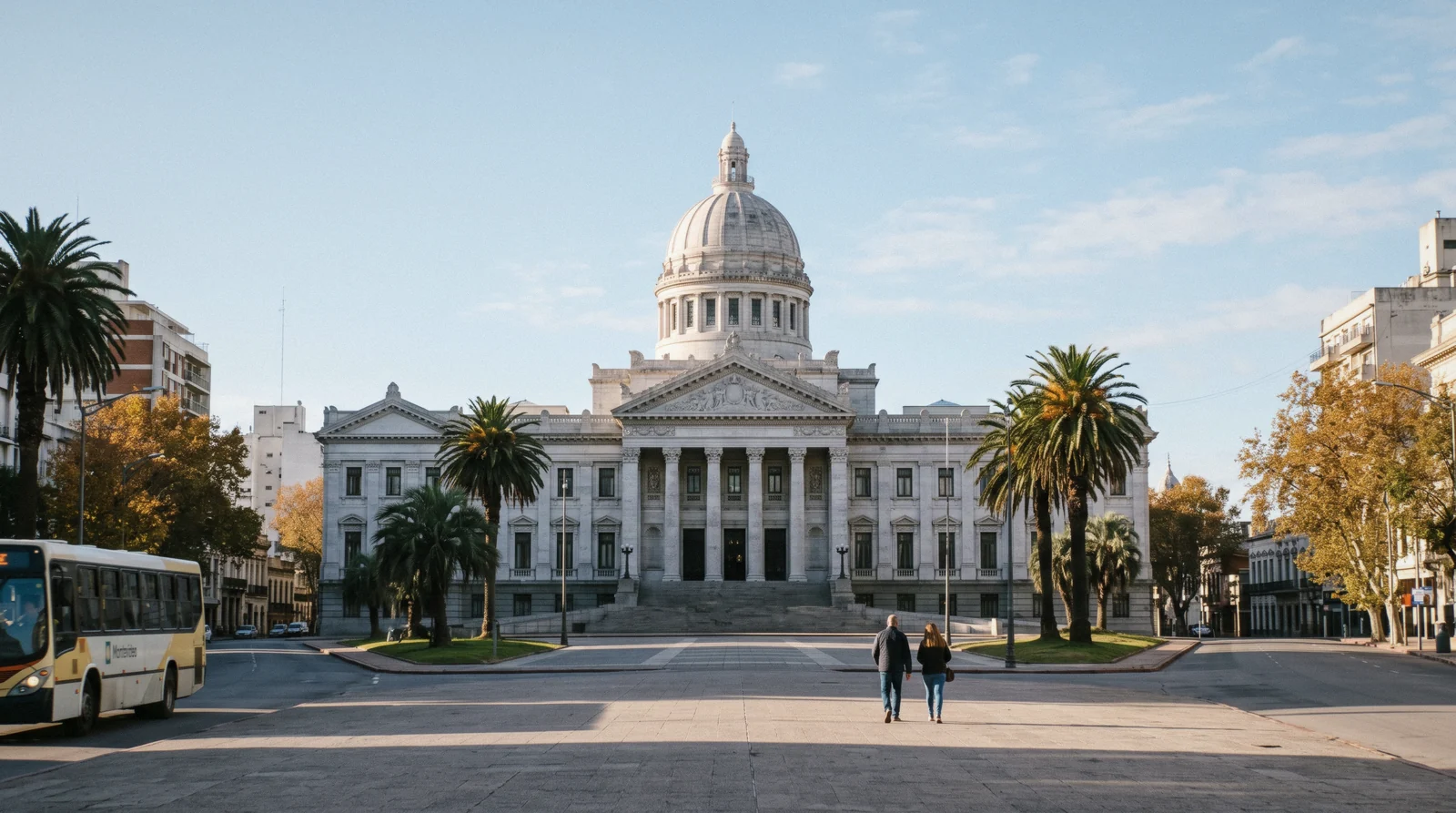
Palacio Legislativo: Uruguay's Marble Parliament and How to Get Inside
The Palacio Legislativo is Uruguay's parliament building, standing on high ground in the barrio La Aguada of Montevideo. It was inaugurated on 25 August 1925 for the centenary of the Declaration of Independence, and it holds both chambers of the national congress. This page gives you the guided visit days and times, the entry price and the cash rule, what you see inside, the long history of the build, and how to fit the palace into a day of things to do in Montevideo. Weekend visitors and most cruise passengers see it from outside, so the practical details matter here more than they do at most Montevideo attractions.
Quick answer When you can go in, what it costs, how long, how to get there
The only way inside is the parliament's own guided visit, Monday to Friday at 11:00 and 16:00, in Spanish, English and Portuguese. Foreign tourists pay $3 or $3.47 (UYU 140), cash only. The facade and the plaza on Avenida de las Leyes in La Aguada can be seen any day, and the city tours on this page stop outside for 5 to 15 minutes.
Key takeaways
- Entry for foreign tourists is $3 or $3.47 (UYU 140) in cash only, so bring notes, not a card, before paying in pesos or dollars.
- The half-day tour with six stops at $20 stops 15 minutes at the palace, while cruise cards from the Montevideo cruise port stop for photos only.
- On weekends you see the outside only, and the hop-on hop-off bus has a dedicated stop at the palace, so a weekday visit is the way to see the chambers.
- Next stops nearby are the Estadio Centenario and the rest of what to see in Montevideo.
Key facts
Opening hours
| Mon-Fri, guided visit | 11:00–by the guide |
|---|---|
| Mon-Fri, guided visit | 16:00–by the guide |
Closed No public visits on Saturday or Sunday. The parliament warns that any visit can be cancelled.
Admission
- Adult
- $3 or $3.47 (UYU 140) for foreign tourists, cash only
- Free
- Uruguayans
Planning it
- Time needed
- Tour photo stops last 5 to 15 minutes. The parliament does not publish the length of the guided visit.
- Book ahead
- Optional — walk-up usually fine
- Address
- Avenida de las Leyes s/n, La Aguada, Montevideo
The only way into the Palacio Legislativo is the parliament's own guided visit, and no platform sells it. Times and the price below are the ones the parliament prints on its visit page for foreign tourists.
Do you want the halls and the Senate chamber, or a photo of the facade? Only the parliament's own weekday visit goes inside.
| Option | Price | When | Languages | Book |
|---|---|---|---|---|
| Morning guided visitWeekday visitors who want to see inside | $3 or $3.47 (UYU 140), cash only | Monday to Friday, 11:00 | Spanish, English, Portuguese | Official site |
| Afternoon guided visitAnyone who spends the morning in Ciudad Vieja | $3 or $3.47 (UYU 140), cash only | Monday to Friday, 16:00 | Spanish, English, Portuguese | Official site |
Uruguayans visit free. Visits can be cancelled, so call 2924 1783 or write to protocolo@parlamento.gub.uy before a long ride. Source: Parliament of Uruguay, guided visits.
City Tours That Stop at the Palacio Legislativo
These cards stop at the palace as part of a wider city loop: none of them includes the guided visit inside. Stop lengths are the operators' own. Figures current {checked}.
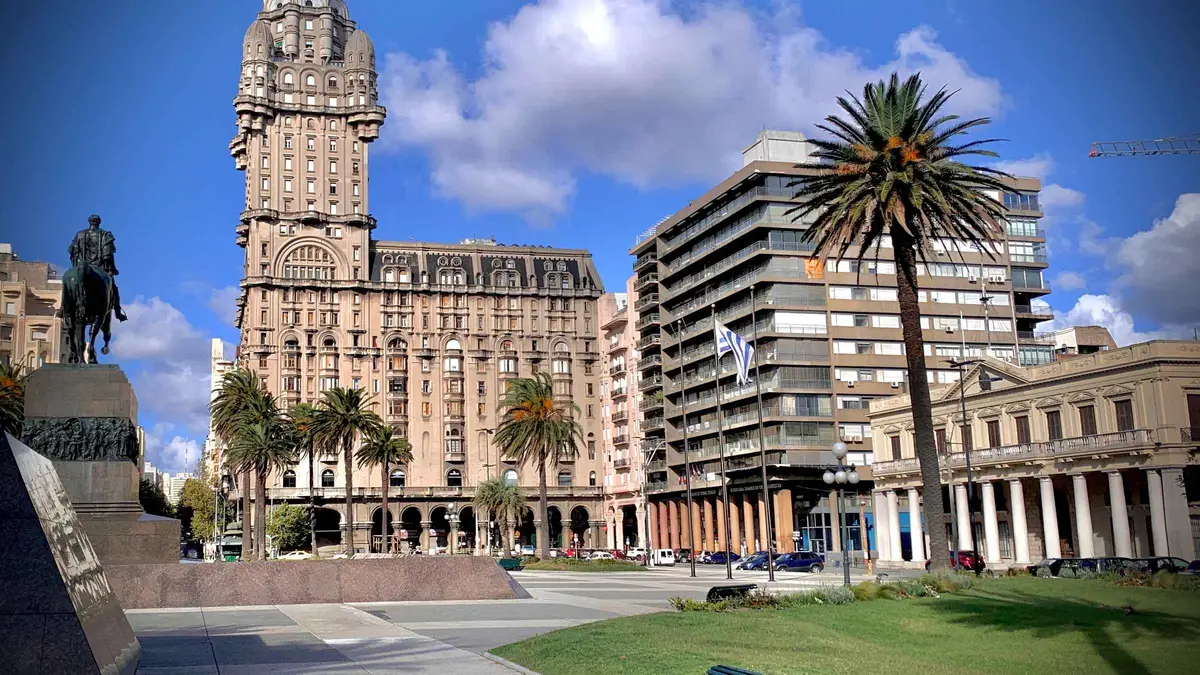 from $20
Montevideo: Complete Half-Day Tour with Guide and 6 Stops
Six-stop orientation coach tour of Montevideo at $20 per person with hotel pickup, free time at two markets and no entrance fees included.
Check Availability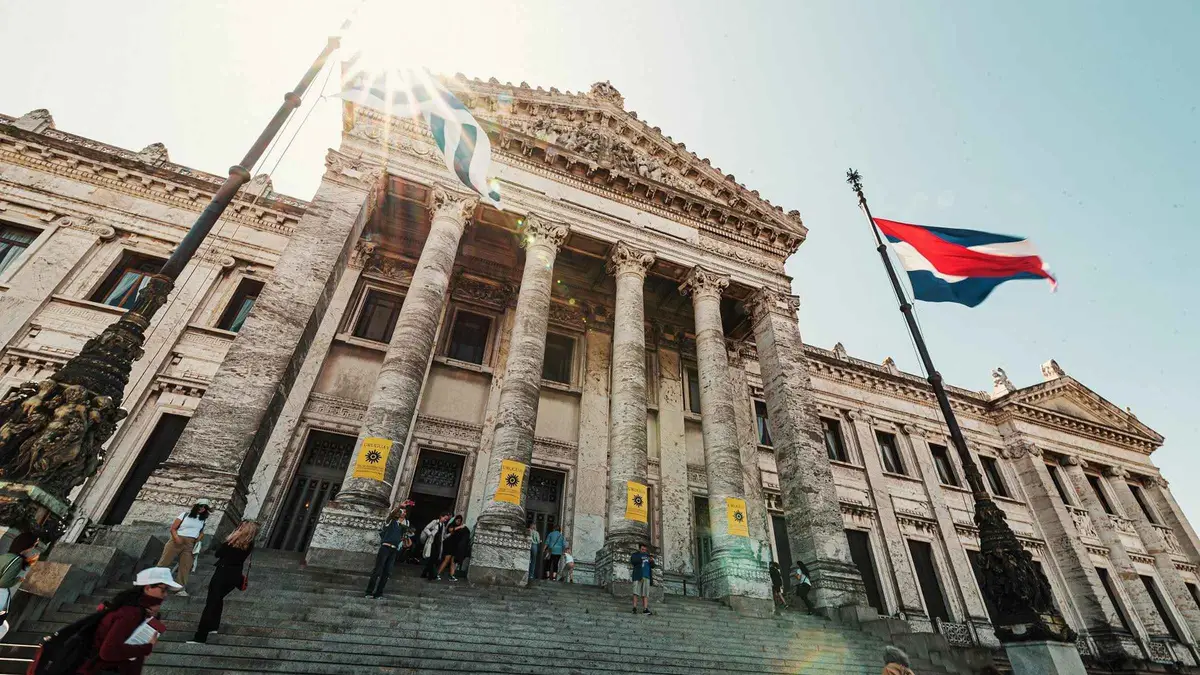 from $35
Montevideo City Tour for Cruisers
A 3-hour port-to-port overview tour at $35 per person that waits for late cruise ships and returns to the terminal.
Check Availability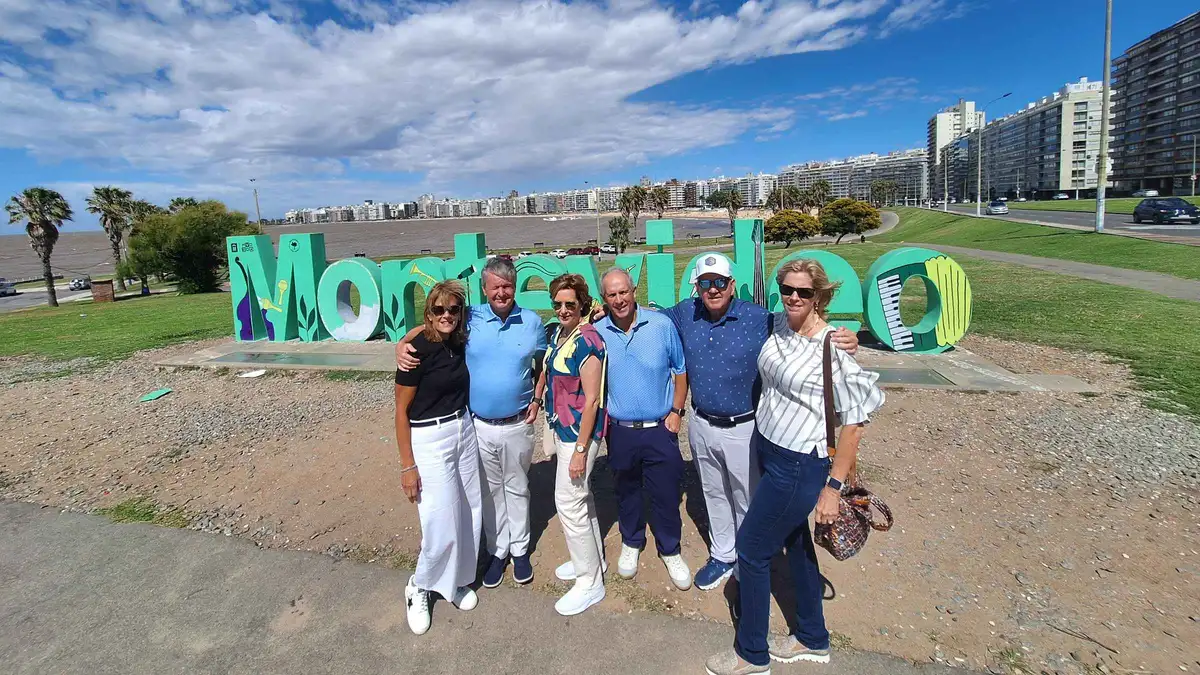 from $65
"Discovering Montevideo" shared tour for cruise passengers in a small group
A small-group port pickup tour for cruise passengers covering 12 city sights, with a 22nd-floor viewpoint and free time at Mercado Agrícola.
Check Availability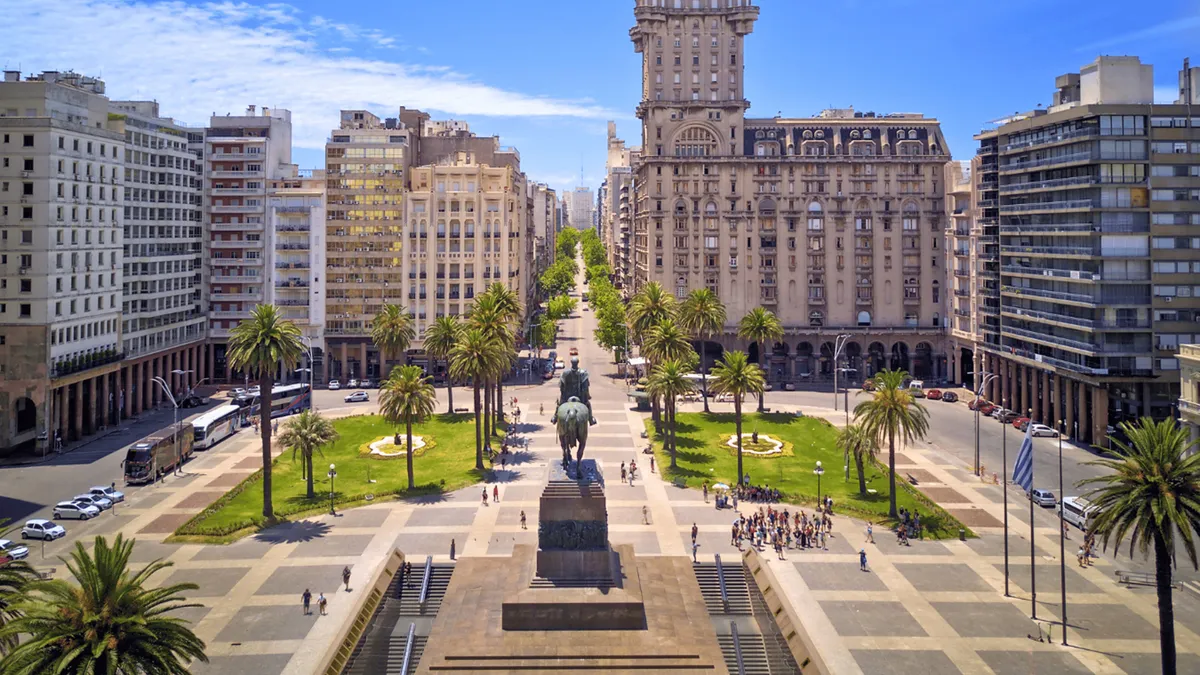 from $44
Montevideo: Shore Excursion for Cruise Passengers
A 3.5-hour port-based city loop for cruise passengers at $44, covering Ciudad Vieja, Estadio Centenario and the Rambla with wheelchair access.
Check Availability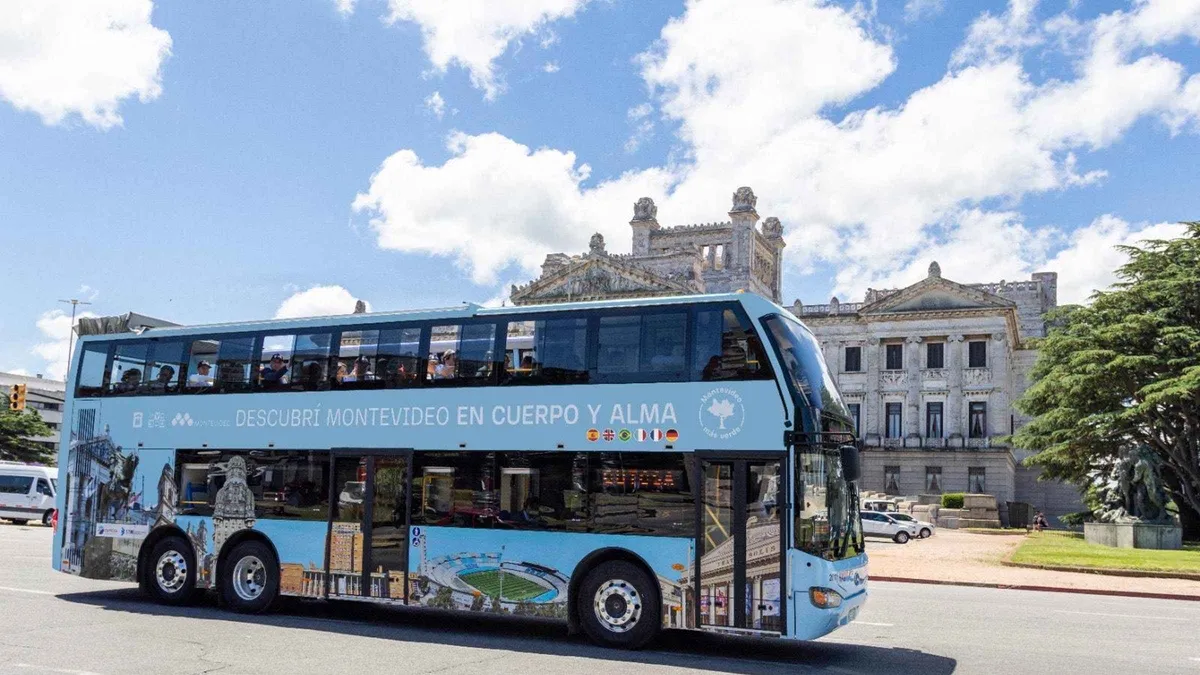 from $25
Montevideo: Sightseeing Hop-On Hop-Off Bus Tour
The cheapest city overview in Montevideo, a two-circuit 24-hour hop-on hop-off pass with audio guide for $25.
Check Availability from $25
Montevideo: Half-Day City Tour with Live Guide
A short 3.5-hour overview of Montevideo's main sights with lunch included, from $25 per person.
Check Availability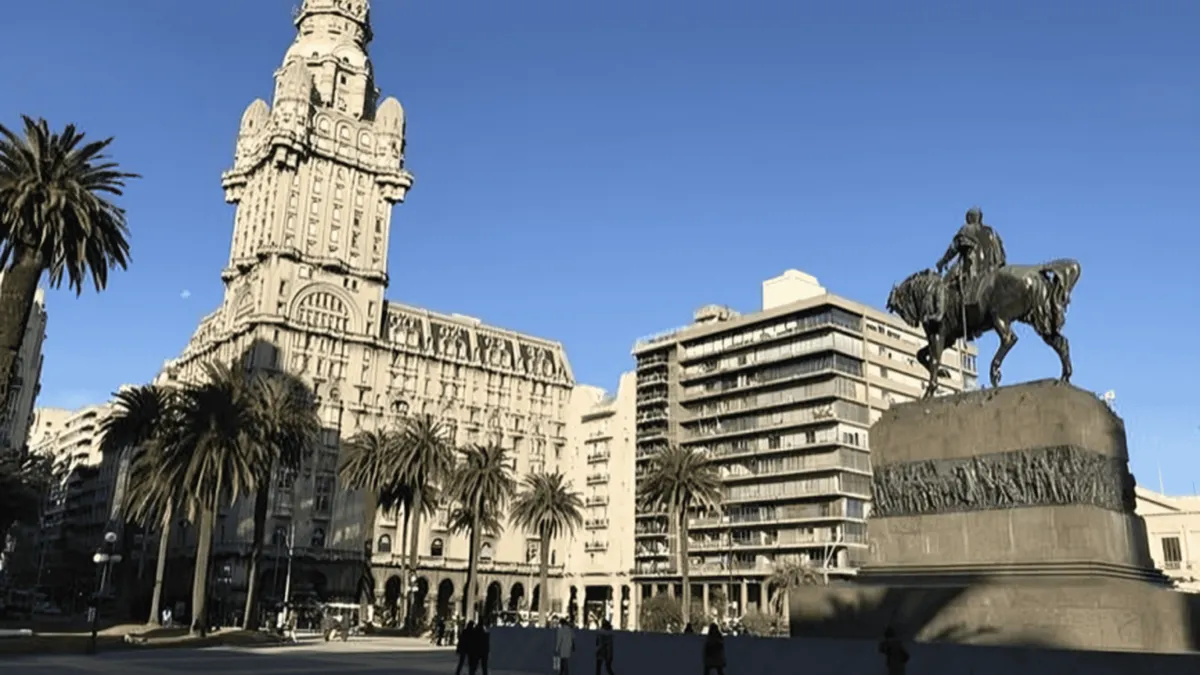 from $31
Montevideo: Must-See Sites Walking Tour With A Guide
A private customized walking tour with hotel transport, museum entry and a drink or food included, from $31 per person.
Check AvailabilityPrices, ratings and details are the platform's own. Dollar figures are the listed prices. The platform bills in your account's currency.
Visiting Inside: Days, Times and the Cash Rule
The parliament runs its own visits, and they follow a strict weekly pattern. Get these facts right and the palace opens up.
The Guided Visit
Guided visits run Monday to Friday, with a morning visit at 11:00 and an afternoon visit at 16:00, in Spanish, English and Portuguese. Foreign tourists pay $3 or $3.47 (UYU 140), cash only, while the visit is free for Uruguayans. The parliament states that visits can be cancelled, so it is worth calling tel. 2924 1783 or writing to protocolo@parlamento.gub.uy beforehand.
School groups book separately by email. No ticket is sold online or by a reseller, so the 11:00 and 16:00 slots are the only way in. Source: Parliament of Uruguay visit page.
Access and Accessibility
The address is Avenida de las Leyes s/n. There are stairs at every entrance, a ramp at one of them, and a lift inside for wheelchair users, with wide corridors and an accessible visitor circuit described by the city's tourism office. Bring cash in pesos or dollars for the visit fee, because the fee is cash only, and read the basics of paying in pesos or dollars before you come.
A city bus using the STM urban fares gets you close from the centre.
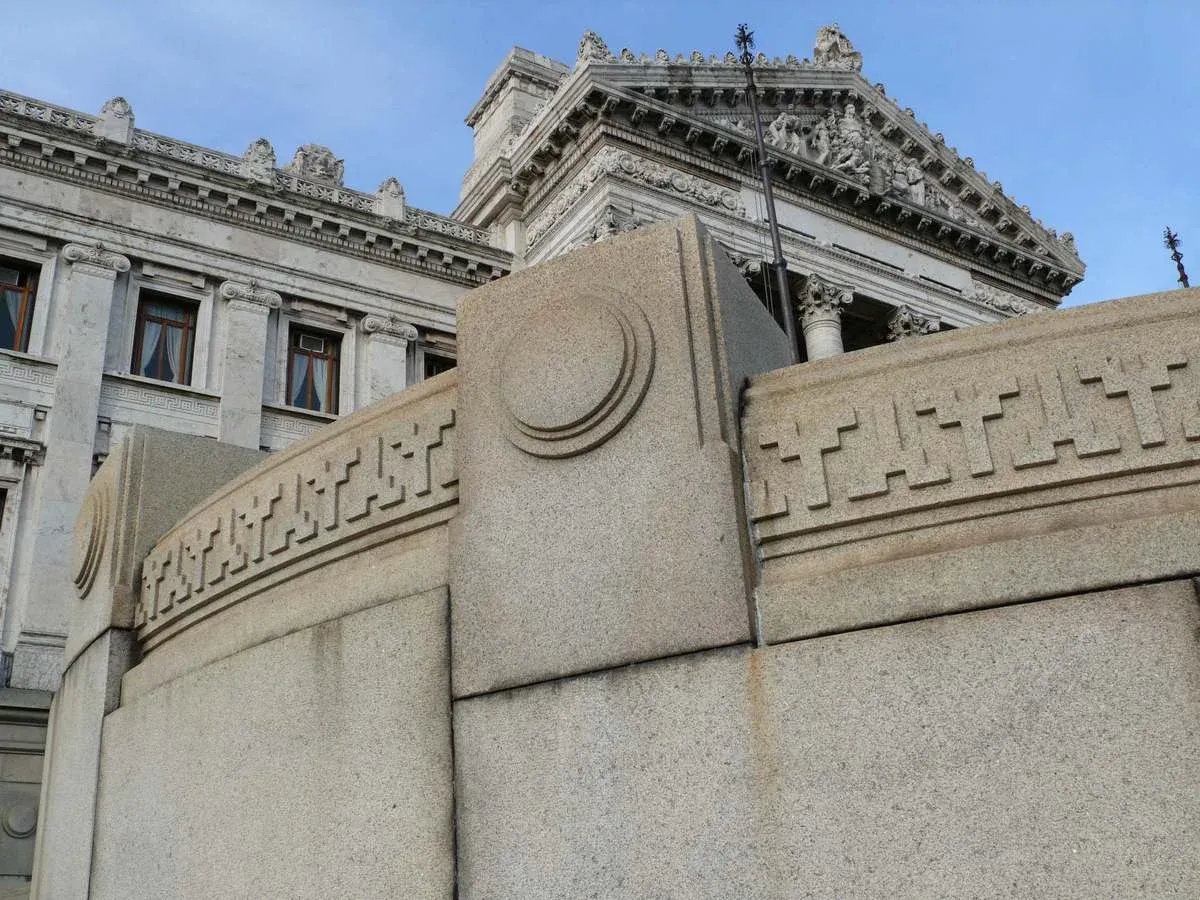
The granite base and the carved pediment of the Palacio Legislativo, the part you see on a weekend. Photo: Federico L., CC BY-SA 3.0, via Wikimedia Commons
If You Arrive at the Weekend
There are no public visits on Saturday or Sunday, so weekend and Sunday-cruise visitors can see the facade and the plaza only. The outside is still worth the trip: the building sits on high ground at the end of Avenida del Libertador, and the scale of the marble is obvious from the street. The hop-on hop-off bus has a stop at the palace on its route, and the half-day and cruise coach cards pull up for photo stops of five to fifteen minutes. If the interior matters to you, plan your day around a weekday and check Montevideo tours accordingly.
Source: Parliament of Uruguay, guided visits, Descubrí Montevideo.
What You See Inside the Palacio Legislativo
The parliament's own virtual museum describes these rooms as the heart of the building.
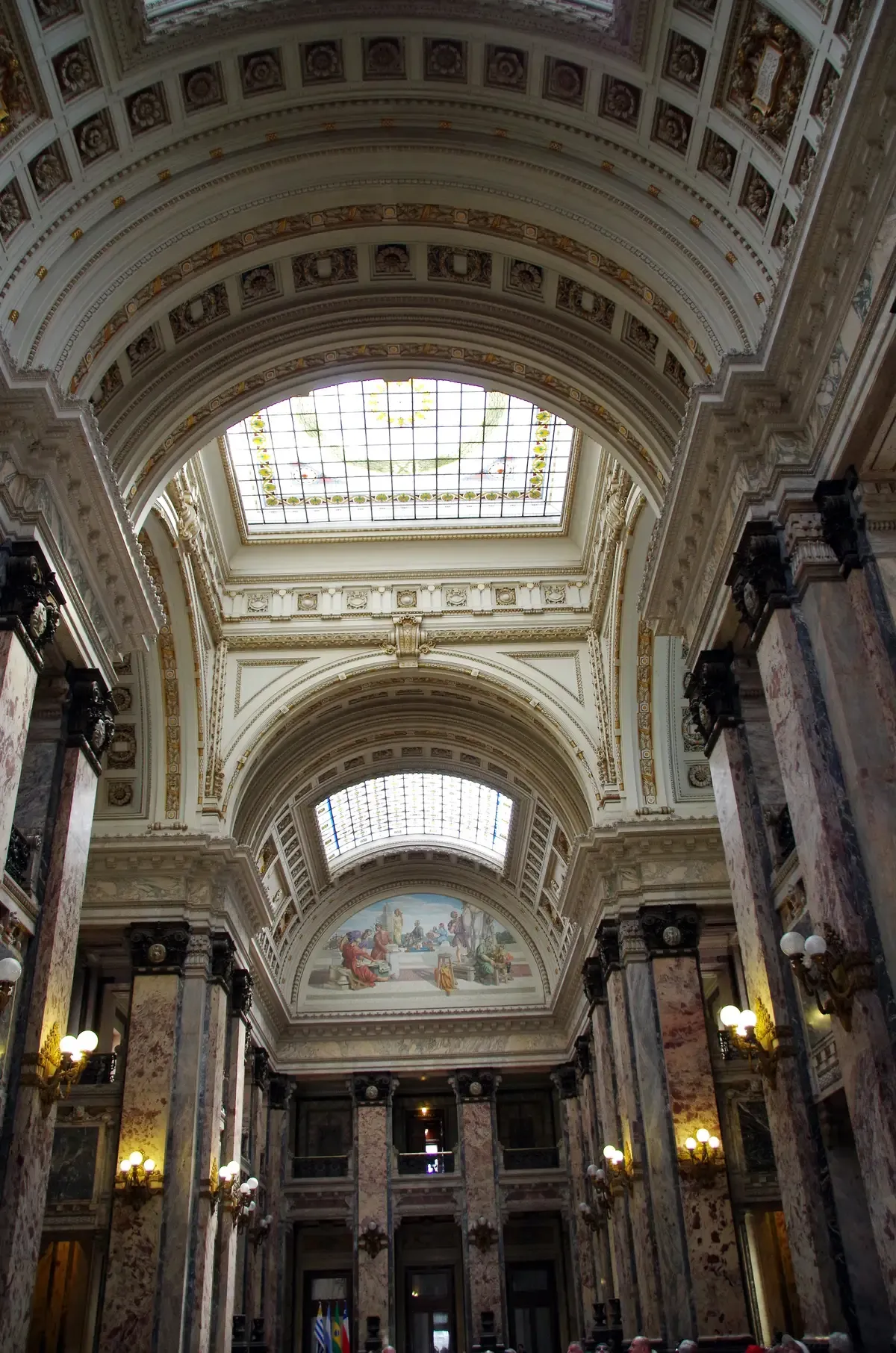
Marble columns, bronze lamps and skylights inside the Palacio Legislativo. Photo: Balou46, CC BY-SA 4.0, via Wikimedia Commons
Salón de los Pasos Perdidos
The Salón de los Pasos Perdidos, the Hall of the Lost Steps, is the main axis and the heart of the building, running between the two chambers. The materials are the point of the room: Uruguayan marbles, granites and porphyries polished to a deep shine, with bronze fittings and Murano glass lamps overhead. Original copies of the 1830 Constitution and the 1825 Declaration of Independence are kept here.
The hall is also where Uruguay lies its great figures in state, among them the writer Mario Benedetti, the writer Eduardo Galeano and the footballer Alcides Ghiggia. Source: Parliament of Uruguay, first floor, Wikipedia.
The Senate Chamber
The Senate chamber is the room most visitors remember. A semicircular stained-glass skylight crowns it and colours the whole hemicycle from above. The senators' benches are cut in Italian walnut and the public galleries above in Slovenian oak, a quiet lesson in how far the builders went for their woods.
Behind the presidency hangs a painting by Fernando Laroche showing Artigas meeting Rondeau in 1813, a scene from the founding years of the country. On each side of the presidency sit boxes for guests of honour and for the press, and two galleries are set aside for the public. This is the working chamber of the Senate, where laws are debated and voted.
Vestíbulo de Honor and the Sala de Fiestas
The Vestíbulo de Honor, the honour hall, greets you with niches held up by columns of red porphyry with gilded Corinthian capitals, and historical murals on the walls. At the far end of the first floor sits the Sala de Fiestas, the original party hall of the palace, built for receptions and state occasions. A detail worth knowing: the decoration of the building was only fully finished in 1964, decades after the opening.
The legislative library, with more than 250,000 volumes, rounds out the working side of the palace. Together these rooms make the interior visit feel like a national showcase rather than an office block, which is exactly what the builders intended.
Source: Parliament of Uruguay, first floor, Wikipedia.
Who Built the Palacio Legislativo, and Why It Took 30 Years
Almost three decades passed between the 1896 law that chose a site and the 1925 inauguration, and the architect who won never knew it.
From the Cabildo to a Palace of Its Own
Uruguay's first Assembly did not meet in Montevideo at first. It gathered in San José in November 1828, then in Canelones in December 1828, then in the Capilla del Carmen de la Aguada in February 1829, and from 1 May 1829 in the Cabildo of Montevideo, the colonial town hall that still stands in Ciudad Vieja. For almost a century the legislature worked in borrowed rooms.
A law of 1896 finally placed the new seat facing the Aguada church, and in 1903 an international competition was called to choose a design. When the palace opened in 1925, Uruguay had its first purpose-built parliament, in the same barrio of La Aguada where the Assembly had met in a chapel in 1829.
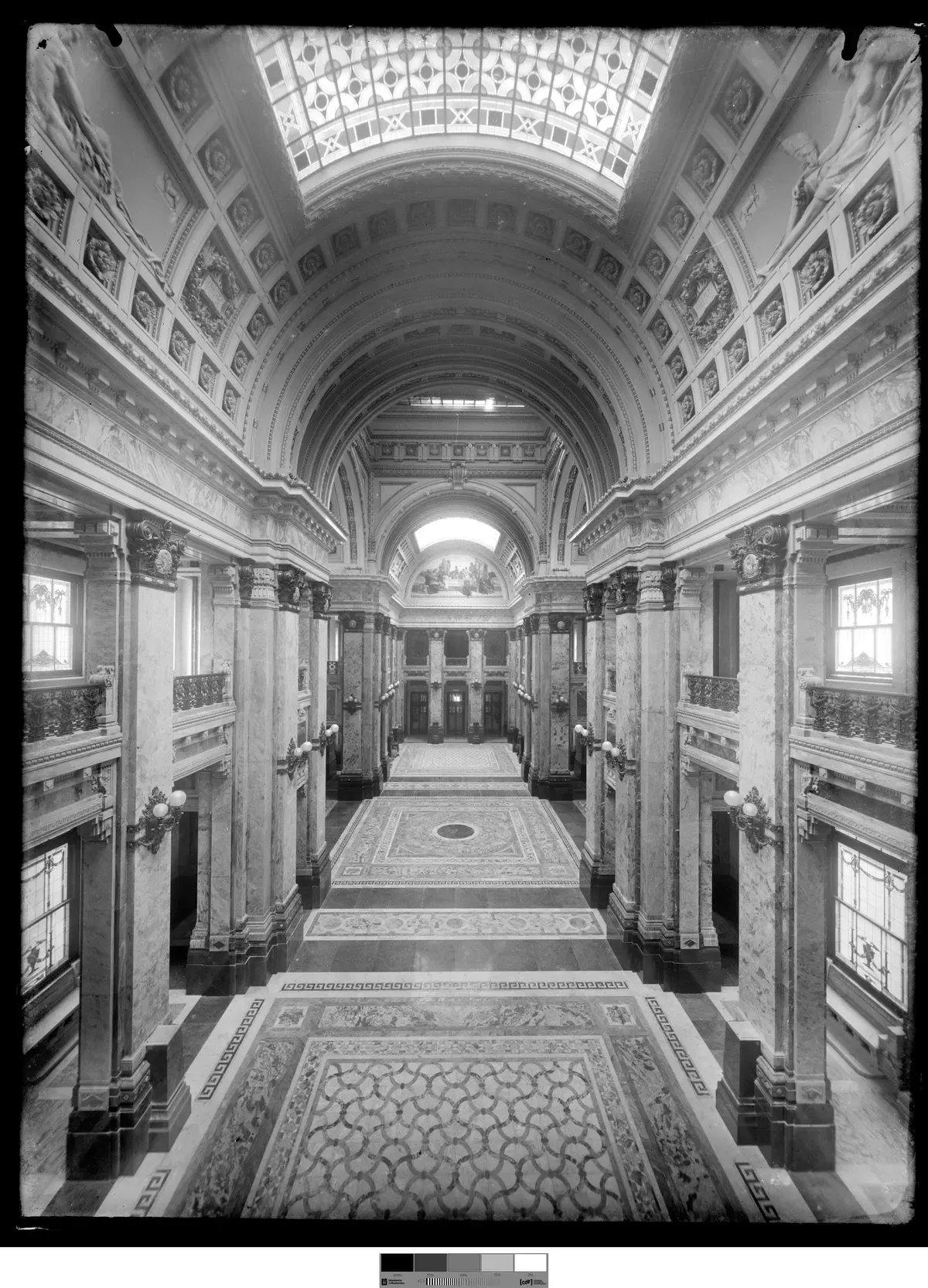
The Salón de los Pasos Perdidos in the year the palace opened, 1925. Photo: Wikimedia Commons, Public domain, via Wikimedia Commons
Meano's Design and Moretti's Finish
Twenty-seven entries arrived by April 1904. The jury awarded no first prize and two second prizes, and the design that was built, called 'Agraciada', came from the Italian architect Vittorio Meano, who said he was inspired by the Vienna Parliament of Theophil Hansen. Meano had also won the competition for the Argentine Congress in Buenos Aires, so the two capitals nearly got twin parliaments, and he was killed in Buenos Aires in June 1904, before the August verdict here confirmed his win.
The site moved to the former Plaza General Flores around 1905, with its axis on Avenida Agraciada, now Libertador. The foundation stone was laid on 18 July 1906 and works began in September 1908. Gaetano Moretti was hired in 1913 and finished the palace with national marbles, bronzes, stained glass and Venetian mosaics.
It was inaugurated on 25 August 1925 and declared a National Historic Monument in 1975. If the twin-palace idea interests you, see Montevideo versus Buenos Aires.
Source: Parliament of Uruguay, history of the palace, Wikipedia.
How Much Time to Give the Palacio Legislativo
Three kinds of visit are possible here, and they use very different amounts of your day.
The first is a photo stop from a city tour: the coach cards on this page stop for five to fifteen minutes, which is enough for the facade and a few pictures. The second is your own walk around the outside and the plaza, which takes as long as you like and works any day of the week. The third is the guided visit inside, and it is the only way into the chambers.
The parliament does not publish the length of the visit, so allow the visit itself plus the trip across town, and plan nothing tight immediately after it. The rule that decides the day is simple: weekdays only, at 11:00 or 16:00, with cash in your pocket. Compare the stop lengths on Montevideo tours before booking a coach card if the interior is why you came.
| Way to see it | Time at the palace | What you see | What it costs |
|---|---|---|---|
| Coach tour photo stop | 5 to 15 minutes, by card | Facade and plaza | From $20 for the whole tour |
| On your own, outside | As long as you like, any day | Facade, portico, the axis down Avenida del Libertador | City bus $1.29 (UYU 52) with an STM card |
| Parliament guided visit | Length not published | Salón de los Pasos Perdidos, chambers, honour hall | $3 or $3.47 (UYU 140), cash |
The Palacio Legislativo in Dated Lines
-
1828
The Assembly meets in San José
Uruguay's first legislature gathers in San José in November 1828, then moves to Canelones in December.
-
1829
Home at the Cabildo
From 1 May 1829 the Assembly sits in the Cabildo of Montevideo, the colonial town hall in the old city.
-
1896
A law picks the site
A law of 1896 places the future palace facing the Aguada church.
-
1904
The competition and Meano's death
Twenty-seven designs arrive by April 1904. Vittorio Meano wins with 'Agraciada' but is killed in Buenos Aires in June, before the verdict is announced.
-
1906
Foundation stone
The stone is laid on 18 July 1906 on the former Plaza General Flores, and works begin in September 1908.
-
1913
Moretti takes over
Gaetano Moretti is hired in 1913 and finishes the palace with national marbles, bronzes, stained glass and Venetian mosaics.
-
1925
Inauguration
The palace opens on 25 August 1925, the centenary of the Declaration of Independence.
-
1975
National Historic Monument
The building is declared a National Historic Monument in 1975.
Dates below come from the Parliament of Uruguay history page and Wikipedia.
Do and Don't at the Palacio Legislativo
Do
- Check the day before you go: the visit runs Monday to Friday at 11:00 and 16:00, and calling tel. 2924 1783 confirms it has not been cancelled.
- Bring $3 or $3.47 (UYU 140) in cash, in pesos or dollars, because cards are not accepted at the door.
- Pick your slot by language need: both the 11:00 and the 16:00 visits run in Spanish, English and Portuguese.
- See the outside on any day, weekend included, from Avenida de las Leyes, or use the hop-on hop-off bus stop at the palace.
- Pair the visit with the Estadio Centenario in Parque Batlle, a short ride away, to fill the rest of the day.
Don't
- Don't turn up on a Saturday or Sunday expecting to enter, because no public visits run on weekends.
- Don't count on the coach tours for the interior: their stops at the palace run five to fifteen minutes.
- Don't arrive with cards only: the fee is cash only.
- Don't assume a booked slot is safe, because the parliament itself warns visits can be cancelled.
- Don't skip the history: knowing that Meano designed both this palace and the Argentine Congress makes the marble mean more.
Five Things Most Visitors Do Not Know
- The architect who designed it never knew he had won. Vittorio Meano was killed in Buenos Aires in June 1904, two months before the verdict announced his design as the winner. (Parliament of Uruguay) - The same man designed the Argentine Congress in Buenos Aires, so the two neighbouring capitals share an architectural parent.
(Parliament of Uruguay) - The Hall of the Lost Steps keeps original copies of the 1830 Constitution and the 1825 Declaration of Independence. (Wikipedia) - The interior decoration was only fully completed in 1964, and the legislative library holds more than 250,000 volumes. (Wikipedia) - Uruguayans enter free while foreign tourists pay, and the fee is cash only at $3 or $3.47 (UYU 140).
Palacio Legislativo on the Map
The palace and the sights the coach tours pair with it, from the old city to Parque Batlle.
Next Stops From the Palacio Legislativo
The sights coach tours pair with the palace, and the ones worth the ride on your own.
Estadio Centenario
The 1930 World Cup stadium and its football museum, the next stop on most city tours.
Plaza Independencia
The square where Ciudad Vieja begins, with the Artigas mausoleum and Palacio Salvo.
Palacio Salvo
The other great 1920s building of the city, on the east side of Plaza Independencia.
Palacio Legislativo Questions
What is the Palacio Legislativo?
It is the parliament building of Uruguay, the seat of the legislative branch, standing on high ground in the barrio La Aguada of Montevideo. It was inaugurated on 25 August 1925 for the centenary of the Declaration of Independence and holds both the Chamber of Representatives and the Senate. It was declared a National Historic Monument in 1975. For how it fits with the rest of the city, see things to do in Montevideo.
What days can you visit the Palacio Legislativo?
The guided visit runs Monday to Friday only, at 11:00 and 16:00, in Spanish, English and Portuguese. No public visits run on Saturday or Sunday, so weekend visitors see the facade and plaza only. The parliament also warns that visits can be cancelled, so confirm by phone on tel. 2924 1783 if the interior is the reason for your trip.
Who built the Palacio Legislativo of Uruguay?
The design, called 'Agraciada', came from the Italian architect Vittorio Meano, winner of the 1903 international competition, who said he was inspired by the Vienna Parliament. Meano was killed in Buenos Aires in June 1904 before the result was announced. Engineer José Foglia directed the works from 1908 to 1925, and the Italian architect Gaetano Moretti, hired in 1913, finished the building with national marbles, bronzes, stained glass and Venetian mosaics.
What happens in the Palacio Legislativo?
It is the working seat of Uruguay's congress: the Chamber of Representatives and the Senate debate and vote laws here. The visit circuit shows the ceremonial and public side, including the Hall of the Lost Steps, the Senate chamber with its public galleries, and the honour hall. Original copies of the 1830 Constitution and the 1825 Declaration of Independence are kept in the Hall of the Lost Steps, and the hall has served for the lying in state of national figures.
How do you get to the Palacio Legislativo?
The building stands on Avenida de las Leyes in La Aguada, inland from the old port. An STM city bus gets you close, with a 1-hour ticket at $1.29 (UYU 52) with the STM card or $1.59 (UYU 64) in cash. The hop-on hop-off bus has a stop at the palace. Coach tours reach it as a stop, and a taxi from Ciudad Vieja is the simplest door-to-door option. It sits inland from the water, so pair it with the Estadio Centenario rather than the beaches.
Is it worth going inside the Palacio Legislativo?
If your dates allow a weekday at 11:00 or 16:00, yes. For $3 or $3.47 (UYU 140) in cash you see marble halls, the stained-glass Senate chamber and a working parliament, which is little money for a building this rich. If you only have a weekend or a cruise day, the outside is still handsome and the coach photo stops cover it, but the interior is the reason many visitors rank it high among Montevideo attractions.
Can cruise passengers visit inside?
Only when the call falls on a weekday and your time ashore covers the 11:00 or 16:00 visit plus the ride from the port. Cruise passengers normally see the palace on a coach photo stop of five to fifteen minutes, such as the city tour for cruisers from the terminal. If a Sunday call is your only chance, enjoy the facade and plan the interior for a land trip, using the Montevideo cruise port page for the port basics.
Where the Palacio Legislativo Fits in a Montevideo Day
On a weekday, build the morning around the 11:00 visit, then ride out to Parque Batlle for the Estadio Centenario museum and its football history. If you prefer the old city first, walk Ciudad Vieja and the port market in the morning and take the 16:00 visit,, then follow Avenida del Libertador back towards the centre. Cruise passengers usually meet the palace on a tour photo stop, so check Montevideo cruise port logistics and pick the card with the longest stop.
For the rest of your list, see Montevideo attractions, and book where to stay in Montevideo near the centre to make the 11:00 slot easy.
The Palacio Legislativo on Film
Three films that show the halls and the chambers before you decide on the weekday visit.
Tour of the Legislative Palace of Uruguay
A walk through the guided visit, room by room.
Video: Viaja Con CharlieEl maravilloso Palacio Legislativo de Uruguay
The facade and the marble interior, in Spanish.
Video: Viajar HoyHistory of the Legislative Palace
The story of the build, from a Uruguayan broadcaster.
Video: Canal 10 UruguayVideos load from YouTube only when you press play.
Prices, hours and terms are set by the venue or operator and confirmed at checkout.
We may earn a commission if you book through one of our links, at no extra cost to you. Full affiliate disclosure